
Research demonstrates that extended fasting periods increase the risk of biliary sludge and gallstone development, conditions that often require surgical intervention. This metabolic consequence emphasizes the importance of moderate fasting protocols and medical supervision. Extended fasting periods trigger the body to mobilize stored fat reserves for energy production. At the same time, hormonal shifts during the 20-hour fast reduce hunger intensity and naturally prevent excessive eating during the 4-hour window.
Insulin Regulation
In summary, while intermittent fasting 20/4 can be practiced daily, it isn’t necessarily right for everyone. Listen to your body, consult an expert if you have questions, and start slowly. Intermittent fasting isn’t a competition, it’s about discovering a way of eating that makes you feel good.
24-hour fasting vs 20/4:
If you’re aiming to get into ketosis, a low-carb diet can help you reach ketosis faster while high-carb ones delay ketosis (1). If you’re fasting to lose weight, the number of calories you consume during your eating periods will directly affect your energy balance and therefore, your weight loss progress. Therefore, the type and amount of food you eat before fasting will also determine whether you’ll realize the benefits faster or you may need to take more time. Intermittent fasting isn’t intended to be a timed challenge, but a different way of approaching your diet overall. It can help with weight loss, decreased cholesterol, and reduced blood pressure, among other health benefits, but it isn’t a quick fix.
Drawbacks And Risks

Glycogen stores get depleted gradually, then the body starts to use fat to provide energy. However, diet and increased physical activity offer the best results in both fat and weight loss. Try to exercise for at least 30 minutes a day, 5 days a week through cardio or strength training, or better yet, a mix of both, and you’ll most likely see the desired results. But only with water and other calorie-free drinks like unsweetened coffee and tea. You’ve noted that some benefits come faster than others because when you fast, your body uses glycogen stores until when it is depleted, it resorts to using stored fats.
Pros And Cons Of 20/4 Intermittent Fasting
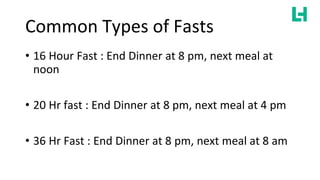
During this state, the body’s insulin levels drop, and it begins to break down stored fat for energy. Additionally, the restricted eating window allows for a reduction in overall caloric intake, leading to weight loss. 20-hour fasting is a type of intermittent fasting where an individual restricts their eating window to 4 hours, while fasting for the remaining 20 hours. During the fasting period, the individual consumes only water, black coffee, or other reviews on unimeal smartcustomer calorie-free beverages. This type of fasting has gained popularity due to its potential to boost weight loss and improve overall health.
Stay Hydrated During Fasting Hours:
Start with small and easy-to-digest foods like soups or smoothies and gradually introduce solid foods over several hours. Eating too much too quickly after a 24-hour fast can cause gastrointestinal issues such as abdominal pain, nausea, and diarrhea. A 24-hour fast without drinking adequate fluids can quickly lead to dehydration and electrolyte imbalances. Watch the video below to discover what happens to the body if you fast for prolonged periods. Fasting, especially in combination with a low-carb diet, naturally lowers ROS levels and can reduce inflammation by dampening the body’s overall load of inflammatory compounds. Cellular rejuvenation helps replace worn-out cellular components with functional ones, which slows down cellular aging and promotes longevity.
How to Time the 20/4 Fast
It costs nothing to do and can actually save you money while maybe even helping the planet. You don’t have to follow the 20/4 IF eating schedule every day, but it does help if you consistently stick to a similar routine. When practised responsibly, 20/4 intermittent fasting can be safe for many individuals.
Insulin also helps the body to store excess energy, beyond what can immediately be stored in the cells. The hormone that controls the amount of energy used and stored is called insulin, and it’s like a key that unlocks your cells, where energy can be used or stored for later use. The advantage here is that if you need to take medication or supplements with food, you can still take them daily, during that one meal. You need to make sure that you’re working up to being able to do these longer fasts and that you’re working with someone who can help you monitor your progress. Almost all of your body’s hormones are secreted daily, based on your circadian rhythm.
NYC Business Hours
- Some also say that the transition to using ketones instead of glucose in the fasting stage can lead to appetite suppression, which can mean less hunger, even after 20 hours of fasting.
- For decades, we’ve been told breakfast is the most important meal of the day.
- Furthermore, intermittent fasting promotes ketosis and autophagy–two processes that provide many health benefits.
- Everyone is unique, and some women may need to stick to no-calorie drinks.
- As you have a short eating window, the foods you decide to include are going to play a crucial role in helping refuel your cells and get the most out of your 20-hour fast.
- However, selecting wholesome, unprocessed, and organic food options can maximise the potential health benefits of this eating pattern.
In addition, fasting may also help reduce inflammation by reducing oxidative stress, which occurs when the body has too many free radicals to deal with (4). Too much inflammation in the body has been linked to an increased risk of chronic illnesses, such as heart disease (9). In most cases, food is not allowed during fasting hours and only non-caloric beverages, such as tea, coffee, or water, are allowed.
What To Know About the 5:2 Diet
If you enjoy having dinner with family or going out for meals with friends, you may prefer an eating window that aligns with evening events. This allows you to enjoy these social occasions without feeling restricted by your fasting schedule. Remember, the key to successful fasting is finding a rhythm that works for you and integrates seamlessly with your social life. Inflammation is a natural response in the body, but chronic inflammation can contribute to various health issues. Fasting for 20 hours may help reduce inflammation levels, leading to improved overall health and a decreased risk of chronic diseases such as heart disease, arthritis, and certain types of cancer.
Not Sure if Fasting is Right for You? Get Expert Support
However, not being able to eat in the evening may put a damper on your social life. However, some people may find it hard to fast for 20 hours at a time. Intermittent fasting beginners may find it easier to start with a less restrictive fasting regimen instead. Meal planning becomes significantly more efficient with a 1-2 meal daily structure.